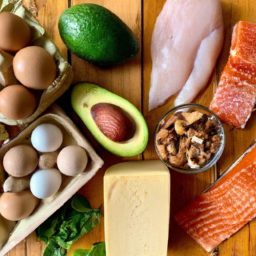
Curious about the keto diet and what it actually entails? You’re not alone; it’s a popular topic these days, focused on consuming high amounts of fats, moderate proteins, and low carbohydrates, but what does that really mean in terms of your meal planning?
Let’s dive right in and explore the essential elements of a keto diet together. You won’t just learn about the trendy aspect of this diet; you will understand the reasoning behind every food you will eat. Exciting, isn’t it? Reading this article will arm you with the necessary knowledge to execute your keto meal planning effectively. Stick around to learn in vivid detail how to whip up a keto diet that both delights your taste buds and fuels your body correctly.
Unpacking the Essential Elements of a Keto Diet
Understanding the Basics of a Keto Diet
Before you start the ketogenic or keto diet, it’s important to understand the basic principles behind it. It is a high fat, low carbohydrate dietary approach, aimed at inducing the metabolic state of ketosis in your body.
The Science Behind Ketosis
Ketosis is a condition where your body, bearing a dearth of carbohydrates, starts breaking down stored fats for energy resulting in the synthesis of molecules called ketones. This metabolic adaptation substantially differs from the norm, where your body would use glucose as the primary energy source.
Carbohydrates, Protein, and Fats: The Macros of a Keto Diet
For the successful induction of ketosis, it’s crucial to strictly regulate your diet. The typical dietary macros on a keto diet are 70-75% fats, 20-25% protein, and 5-10% carbohydrates.
The Differences Between Ordinary Low-Carb Diets and a Keto Diet
While both diets involve a reduction in carbohydrate intake, their primary distinction lies in the fat content. A conventional low-carb diet doesn’t necessarily entail high fats, while a keto diet requires significant fat intake to replace carbohydrates.
How the Keto Diet Works
Delving deeper into how the keto diet works involves understanding the crucial role of the liver and the initial side effects experienced by the body while adapting to this diet.
The Role of the Liver in a Keto Diet
In a low carbohydrate state, the liver helps by breaking down fats into ketones to be used as the primary energy source.
Understanding the Keto Flu: Initial Side Effects
During the initial phase of the diet, you may suffer from the so-called ‘keto flu,’ characterized by symptoms such as fatigue, headaches, and mood swings, which subside as your body adjusts to the new energy source.
How the Body Adapts to Fat as a Primary Energy Source
With continued practice of the diet, your body starts efficiently utilizing fat for energy, even in highly energy-demanding functions such as brain activities.
Food Guidelines for a Keto Diet
Must-Have Foods When Following a Keto Diet
Following the keto macros, one must consume foods rich in healthy fats and proteins like seafood, eggs, meat, cheese, avocados, nuts, and seeds.
Foods to Avoid on a Keto Diet
Starchy and sugary foods high in carbohydrates are a big “no” for a keto diet follower. This includes sweets, grains, legumes, and typical high-carb fruits and vegetables.
Striking a Balance with Green, Low-Carb Vegetables
Green vegetables are low in carbohydrates and rich in essential nutrients; hence they’re an ideal part of a balanced keto diet.
Benefits of a Keto Diet
Positive Effects of Keto on Mental Performance, Management of Type II Diabetes, and Weight Loss
The keto diet has been associated with improved mental clarity and focus, weight loss, and promising results in managing type II diabetes by improving insulin resistance.
Potential Risks and Ways to Counter Them
Dealing with Nutrient Deficiency and Energy Levels in a Keto Diet, Risk of Ketoacidosis
While there are potential risks associated with a keto diet, such as nutrient deficiencies, lowered energy levels, and ketoacidosis, they can be managed with careful planning and guidance from a health professional.
Recipes That Fit a Keto Diet
Enjoying a keto diet doesn’t mean you have to give up delicious food. There are numerous keto-friendly breakfast, lunch, and dinner options available, full of flavor and nutritional benefits.
Exceptions and Variations to a Regular Keto Diet
Understanding the Concept of Keto Cycling, the High-Protein Keto Diet Variant and the Targeted Keto Diet for Athletes
The flexible nature of a keto diet means there are variations like keto cycling, the high-protein keto diet, and the targeted keto diet for specific lifestyle or dietary needs.
Concluding Thoughts on the Keto Diet
Balancing the Benefits and Risks of Keto, Sustainability Long-Term, Future Research
The effectiveness of a keto diet varies for each individual. It’s essential to balance the benefits and risks, consider its sustainability long-term, and stay updated on future research and studies on the keto diet. Always remember – mindful eating and healthy lifestyle changes are core to achieving your health goals.