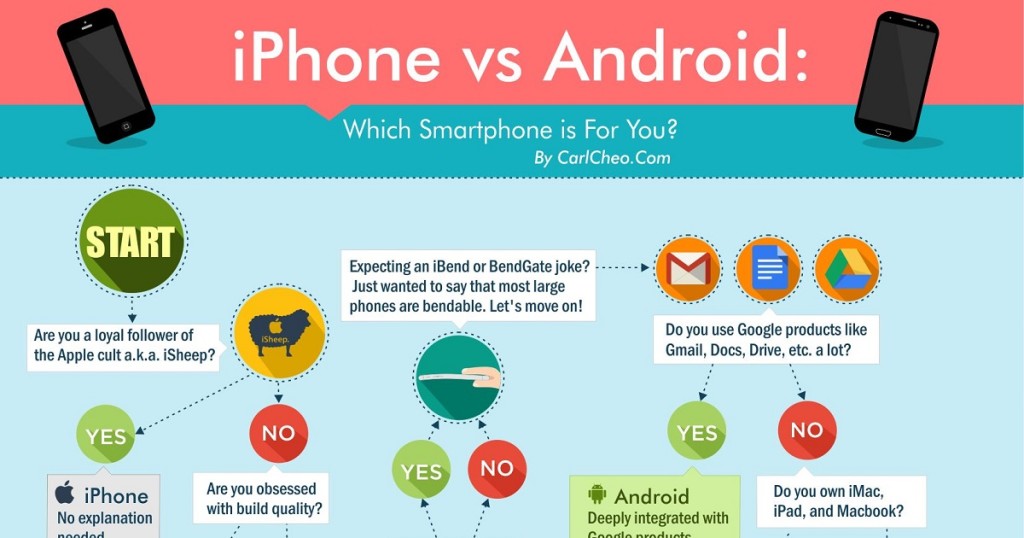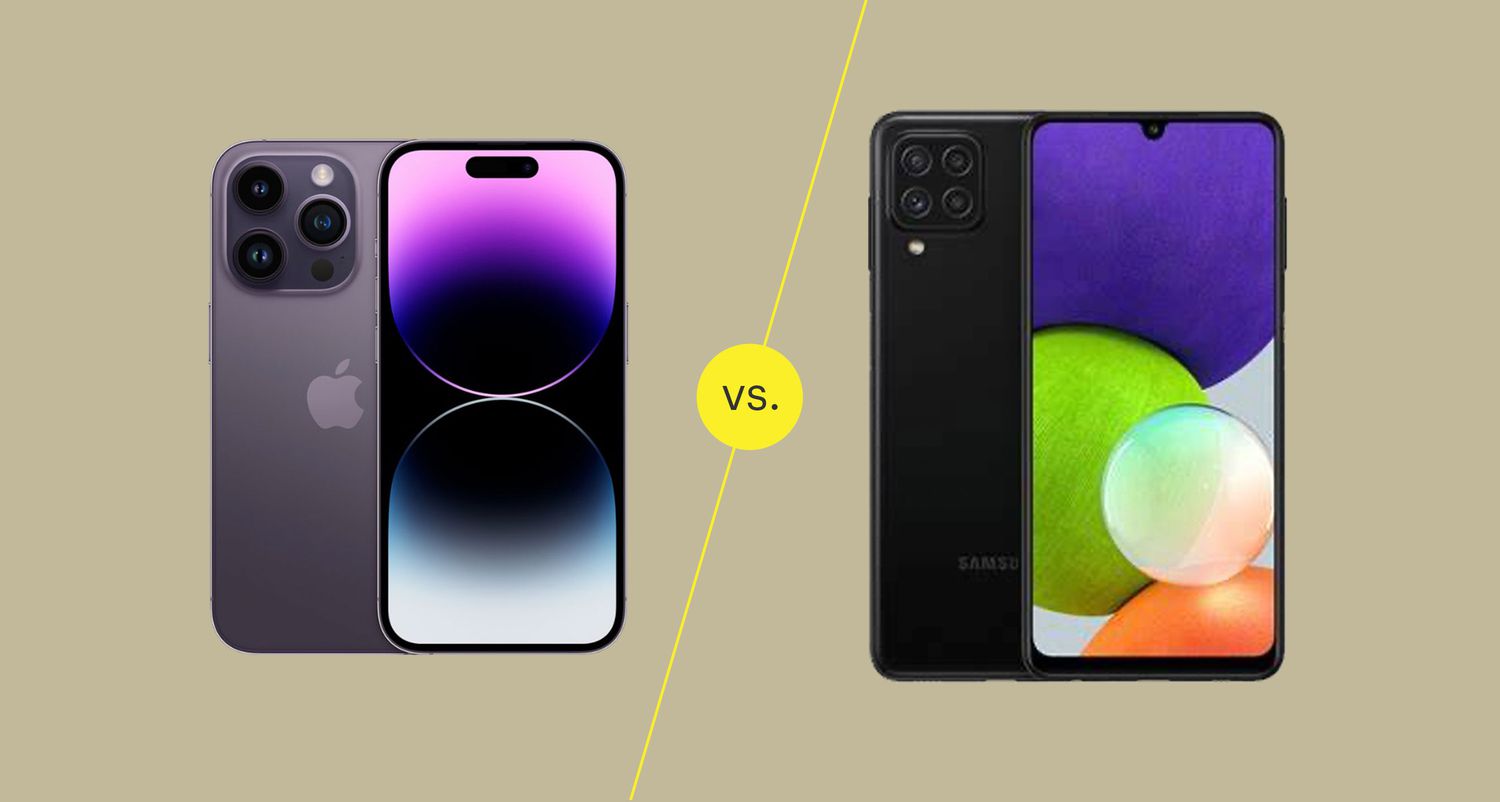
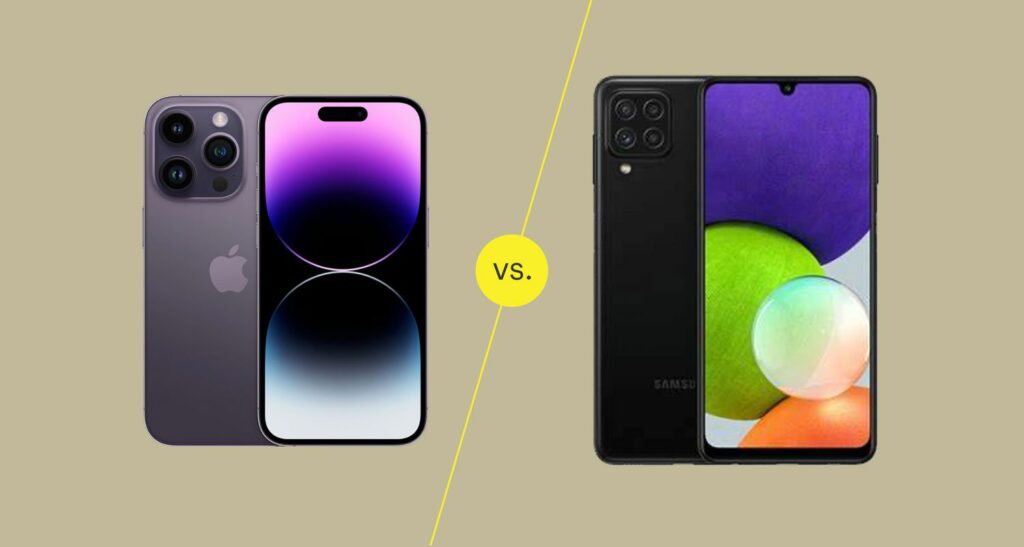
What phone are you using right now? Is it an iPhone or an Android? The battle between these two operating systems has been ongoing for years, with users fiercely loyal to their preferred device. So, which one is really better? In this article, we will dive deep into the iPhone vs. Android debate and explore the strengths and weaknesses of each platform.
When it comes to iPhones, there’s no denying their sleek design and user-friendly interface. Apple has always been known for its attention to detail and commitment to delivering a seamless user experience. iPhones are often praised for their smooth performance and long-term software support. With regular updates and a closed ecosystem, Apple ensures that you’ll always have access to the latest features and security patches.
On the other hand, Android offers a wide variety of devices to choose from at various price points. This flexibility means that you can find an Android phone that suits both your budget and your desired specifications. Additionally, Android gives you more freedom to customize your device, from the home screen layout to the apps you use as your default options. The open nature of the Android platform also allows for a wider range of app choices and greater integration with other devices and services.
In this article, we’ll delve into the specific features and aspects of both operating systems, such as camera quality, app availability, and battery life. By the end, you’ll have a better understanding of the strengths and weaknesses of each platform, helping you make an informed decision when it comes to your next phone purchase. So, whether you’re team iPhone or team Android, get ready to dive into the ultimate comparison between these two iconic devices!
iPhone vs. Android: The Ultimate Comparison
Design and Build Quality
iPhone Design Philosophy
When it comes to design, Apple’s iPhone has always been praised for its sleek and elegant appearance. The iPhone design philosophy is centered around simplicity, minimalism, and attention to detail. Apple believes that a well-designed device not only looks beautiful, but also enhances the user experience. The iPhone’s seamless integration of hardware and software creates a cohesive and intuitive design.
Android Design Diversity
Android, on the other hand, offers a wide range of design options due to its open-source nature. Android devices are manufactured by various companies, resulting in a diverse range of designs and build qualities. From the sleek and premium designs of Samsung’s Galaxy series to the more rugged designs of devices from manufacturers like Motorola, Android offers a design for every taste and preference.
Materials and Durability
When it comes to materials and durability, both iPhone and Android devices have their strengths. iPhones are known for their premium build quality, often incorporating materials like glass and aluminum. These materials not only add to the device’s aesthetic appeal but also make it more durable. Android devices, on the other hand, often offer a wider range of materials, including plastic, metal, and even carbon fiber, catering to different preferences and budgets.
Operating System
iOS: Apple’s Exclusive Experience
One of the key differentiators between iPhone and Android is the operating system. iPhones run on Apple’s proprietary iOS, which is known for its seamless integration with the hardware and its polished user experience. iOS offers a consistent and intuitive interface, making it user-friendly even for those new to smartphones. Furthermore, Apple’s closed ecosystem ensures that iOS updates are available to all supported devices, providing a consistent experience across the iPhone lineup.
Android: Customizability and Variety
Android, being an open-source operating system, offers a high level of customizability and variety. Users can personalize their Android devices by choosing from various launchers, themes, and widgets. Furthermore, Android allows for deeper integration with third-party apps and services, allowing users to tailor their devices to their specific needs. The downside, however, is that not all Android devices receive timely updates, as it depends on the manufacturer and carrier to push them out.
User Interface and Navigation
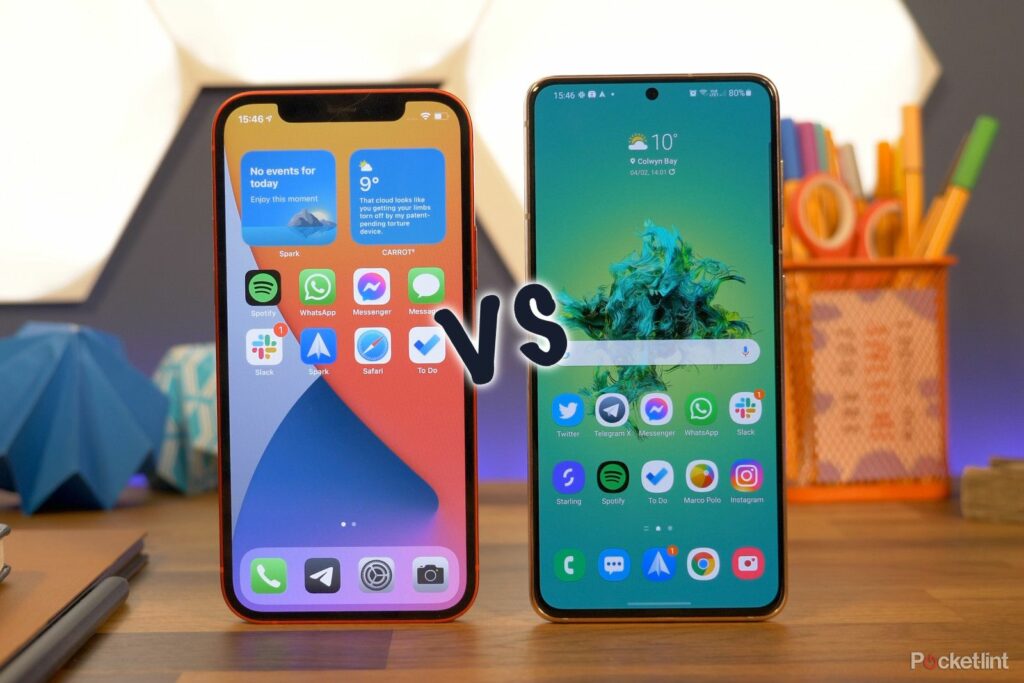
Both iOS and Android offer intuitive user interfaces and navigation systems. iOS follows a more minimalist approach with its grid-like app icons and swipe gestures. On the other hand, Android offers more flexibility with its customizable home screens, app drawer, and navigation buttons. The choice between the two ultimately comes down to personal preference and familiarity.

Hardware and Performance
iPhone: Seamless Integration and Optimized Performance
One of the advantages of owning an iPhone is its seamless integration of hardware and software. Since Apple designs both the hardware and software, it can optimize the performance to deliver a smooth and efficient user experience. iPhones are known for their fast and fluid performance, allowing for quick app launches, smooth multitasking, and efficient power management. This optimization extends to areas like gaming and augmented reality, where iPhones often outshine their Android counterparts.
Android: Wide Range of Devices and Spec
Android devices come in a wide range of models with varying specifications. This variety allows consumers to choose a device that fits their specific needs and budget. Android flagship devices often feature powerful processors, large amounts of RAM, and ample storage, making them a great choice for power users and those who rely on resource-intensive apps and tasks. On the other hand, budget-friendly Android devices offer decent performance for everyday use, making them a more affordable option.
Processor, RAM, and Storage
When comparing iPhones and Android devices, it’s essential to consider the specifications. iPhones, despite having lower RAM capacity compared to some Android devices, often outperform their counterparts due to their optimized software and hardware integration. Likewise, Android devices, especially those from flagship brands, offer high-end processors, ample RAM, and generous storage options, providing a smooth and responsive experience.
Camera and Photography
iPhone: Advanced Imaging Capabilities
The iPhone is widely regarded as one of the best smartphones for photography. Apple has consistently improved its camera technology, delivering advanced imaging capabilities in each new model. iPhones offer excellent color accuracy, sharpness, and dynamic range, ensuring that your photos turn out stunning in various lighting conditions. With features like Smart HDR, Night Mode, and Deep Fusion, the iPhone camera excels in capturing details and producing vibrant images.
Android: Versatile Camera Features
Android devices, particularly those from flagship manufacturers like Samsung and Google, also offer impressive camera capabilities. With features like multiple lenses, optical zoom, and advanced software processing, Android devices allow users to capture a wide range of photography styles and scenarios. Furthermore, some Android devices excel in low-light photography thanks to their dedicated night mode, producing bright and noise-free images even in the darkest of environments.
Low-Light Photography and Image Processing
Both iPhone and Android devices have made significant strides in low-light photography in recent years. Apple’s Night Mode and Google’s Night Sight have revolutionized smartphone photography, allowing users to capture well-exposed and noise-free images in extremely low-light situations. When it comes to image processing, both operating systems have their unique algorithms, resulting in slightly different outputs. The choice between iPhone and Android ultimately depends on individual preferences and the specific camera features that matter most to you.
Battery Life and Charging
iPhone: Efficient Battery Optimization
Apple has always prioritized battery efficiency and optimization, allowing iPhones to deliver impressive battery life. With each new generation, iPhones become more power-efficient, ensuring that you can go through a full day of usage without needing to reach for a charger. Additionally, Apple’s iOS offers excellent battery management features, allowing users to monitor and control their device’s power usage effectively.
Android: Varied Battery Performances
Android devices, with their wide range of hardware options and configurations, offer varied battery performances. Flagship Android devices often feature large battery capacities, ensuring long battery life even with heavy usage. On the other hand, budget-friendly Android devices may have smaller batteries, but their optimized software and energy-efficient processors ensure decent battery life. However, it’s worth noting that some Android devices may suffer from subpar battery optimization, resulting in shorter battery life.
Fast Charging and Wireless Charging
Both iPhone and Android devices now offer fast charging options, allowing users to quickly charge their devices. With the right charger and cable, you can get a significant percentage of battery life in just a few minutes. Additionally, many Android devices also offer wireless charging, allowing for convenient charging without the need for cables. While iPhones also support wireless charging, it’s worth noting that you may need to purchase a separate charging pad.
App Ecosystem
iPhone: App Store and Exclusive Apps
One of the significant advantages of owning an iPhone is the App Store, which is known for its extensive collection of high-quality apps. Apple has strict guidelines for app developers, ensuring that only well-designed and safe apps are available on the platform. Additionally, some apps and games are exclusive to iOS, further enhancing the overall user experience.
Android: Google Play Store and Open Source Apps
Android devices, unlike iPhones, do not have an exclusive app store. Instead, they rely on the Google Play Store, which offers a vast selection of apps and games. One advantage of Android’s open-source nature is the availability of third-party app stores, allowing users to access a wider range of apps. Furthermore, Android devices also support sideloading apps, giving users more freedom to explore different applications.
Developer Support and App Availability
While both iOS and Android enjoy strong developer support, some developers may prioritize one platform over the other. Certain apps and games may be available on iOS before they are released on Android, and vice versa. However, the vast majority of popular apps and services are available on both platforms.
Privacy and Security
iPhone: Emphasis on Security and Privacy
Apple places a strong emphasis on security and privacy, protecting user data with features like Face ID and Touch ID. iPhones are generally more secure than Android devices due to the closed nature of iOS, making them less susceptible to malware and hacking attempts. Additionally, Apple’s strict App Store guidelines ensure that apps prioritize user privacy and keep data secure.
Android: Customizability and Security Options
Android offers a high level of customizability, allowing users to fine-tune their device’s security settings. While this versatility is a significant advantage, it also opens up the possibility of compromising security if not properly configured. However, Android devices have also improved their security measures in recent years, with features like secure boot, file-based encryption, and sandboxing, ensuring robust protection.
Data Protection and Encryption
Both iOS and Android devices offer strong data protection and encryption measures. iPhones, with their hardware-backed encryption and Secure Enclave, provide a high level of security for personal data. Android devices use a similar encryption system, ensuring that user data remains safe even in case of theft or unauthorized access. As with any device, it’s essential to set strong passwords and enable additional security features to maximize data protection.
Price Range and Affordability
iPhone: Premium Pricing Strategy
Apple has always positioned the iPhone as a premium device, commanding higher price tags compared to many Android devices. The premium pricing strategy reflects Apple’s commitment to high-quality build materials, cutting-edge technology, and a seamless user experience. While the initial cost may be higher, the long-term value and durability of iPhones often justify the investment for many users.
Android: Wide Range of Affordable Options
Android, with its diverse range of manufacturers and devices, offers a wide range of price points to suit different budgets. From flagship devices that compete with iPhones in terms of price and features, to budget-friendly options that provide basic functionalities, Android provides flexibility and affordability. Whether you’re looking for a high-end device or a budget-friendly smartphone, Android offers options for every budget.
Value for Money Considerations
The value for money aspect largely depends on individual preferences and priorities. While iPhones may come at a higher price, they often offer a more polished user experience, long-term software support, and a robust ecosystem. On the other hand, Android devices provide great value for those on a budget, offering a wide range of features and customization options at a fraction of the cost.
Customer Satisfaction and Brand Loyalty
iPhone: Strong Brand Loyalty
Apple enjoys a strong brand loyalty among its users, with many customers returning for each new iPhone release. iPhones are known for their reliability, durability, and the overall user experience they offer. Apple’s continued commitment to quality and innovation has helped cultivate a loyal customer base that often sticks with the iPhone ecosystem for years.
Android: High Customer Satisfaction
Android devices, thanks to their versatile options and affordability, also enjoy high customer satisfaction rates. With flagship devices from Samsung, Google, and other manufacturers rivaling iPhones in terms of performance and features, Android users are spoilt for choice. The Android community is known for its passionate following, with many users appreciating the customization options and freedom that Android offers.
User Feedback and Brand Perception
Both iPhone and Android users have their opinions and preferences based on their experiences. User feedback shows that iPhones are often praised for their reliability, build quality, and customer support. Android users, on the other hand, appreciate the diverse range of options, customization, and affordability that Android offers. Ultimately, the choice between iPhone and Android boils down to personal preferences and needs.
Conclusion
Summary of Key Differences
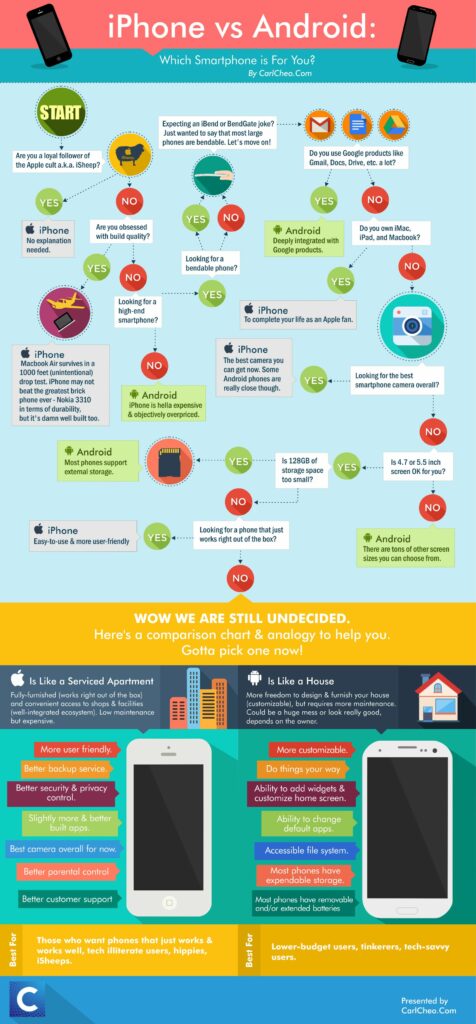
When comparing iPhones and Android devices, there are several key differences to consider. iPhones offer a seamless integration of hardware and software, a closed ecosystem with exclusive apps, and a more polished user experience. Android, on the other hand, provides a wide range of devices and configurations, a customizable user interface, and a diverse app ecosystem.
Choosing the Right Option for Your Needs
Choosing between an iPhone and an Android device ultimately depends on your specific needs and preferences. If you prioritize a seamless user experience, reliability, and long-term software support, an iPhone may be the right choice for you. On the other hand, if you value customization, affordability, and a diverse range of options, an Android device may better suit your needs.
Future Trends and Market Dynamics
The smartphone market is constantly evolving, with both Apple and Android manufacturers pushing boundaries and introducing new features. We can expect continued advancements in areas like camera technology, artificial intelligence, and augmented reality. Additionally, the shift towards 5G connectivity and advancements in battery technology will likely impact both iPhones and Android devices, further shaping the future of the smartphone landscape.
In conclusion, the choice between an iPhone and an Android device is a personal one that depends on your unique preferences and needs. Both platforms offer their strengths and cater to different user requirements. Whether you prioritize seamless integration, customization, or affordability, there is a smartphone out there that will meet your expectations and deliver an exceptional user experience.